
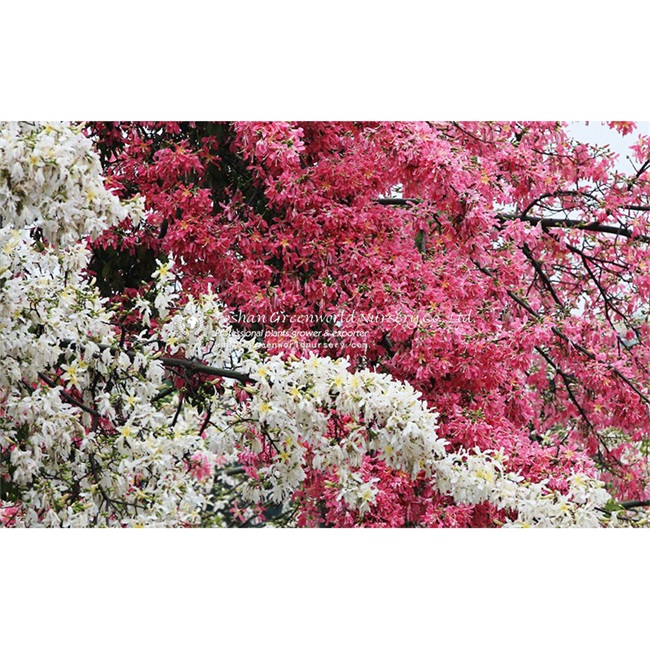
In recent years, urban greening initiatives have increasingly focused on the use of diverse and resilient plant species to enhance cityscapes, improve air quality, and provide ecological benefits. Among the plant varieties gaining attention is the Variegated Sea Hibiscus, a visually striking species known for its ornamental appeal and environmental resilience. This article delves into the characteristics of the Variegated Sea Hibiscus, its integration into urban landscapes, and its relationship with a variety of complementary plant species that together contribute to sustainable green environments.
### The Variegated Sea Hibiscus: An Overview
The Variegated Sea Hibiscus is a cultivar distinguished by its uniquely patterned leaves, featuring variegations of green, cream, and sometimes pink hues. This aesthetic appeal makes it a favored choice for landscaping in coastal and urban settings. The plant thrives in warm climates and demonstrates a notable tolerance to salt spray and windy conditions, rendering it ideal for seaside installations and areas exposed to harsh environmental factors.
Aside from its beauty, the Variegated Sea Hibiscus plays an ecological role by providing habitat and food resources for pollinators such as bees and butterflies. Its blossoms, while delicate, often contribute to local biodiversity and support ecosystem services.
### Integrating Variegated Sea Hibiscus into Urban Environments
Urban planners and landscape architects have increasingly sought species like the Variegated Sea Hibiscus for their combination of aesthetic and functional qualities. It is commonly planted in parks, along promenades, and in public gardens where its vibrant foliage can be appreciated. Moreover, the species' tolerance to urban stressors such as pollution and compacted soils makes it a practical choice for city greening projects.
The plant’s compatibility with a wide range of other species further enhances its utility. Variegated Sea Hibiscus can be harmoniously planted alongside trees and shrubs that provide complementary textures and seasonal interest, creating diverse and resilient green spaces.
### Companion Plant Species Enhancing Urban Green Spaces
To foster robust and sustainable urban ecosystems, a variety of plant genera are often integrated alongside the Variegated Sea Hibiscus. These include trees and shrubs known for their adaptability, visual appeal, and ecological contributions:
- **Lagerstroemia indica (Crape Myrtle):** Known for its vivid floral displays during the summer months, this deciduous tree thrives in diverse soil types and complements the sea hibiscus with seasonal color bursts.
- **Delonix regia (Royal Poinciana):** Valued for its flamboyant scarlet flowers and broad canopy, it is a shade provider and an iconic addition to tropical urban environments.
- **Hibiscus tiliaceus (Sea Hibiscus):** A close relative of the Variegated variety, this species endures coastal conditions well and supports local wildlife.
- **Pongamia pinnata (Indian Beech):** A nitrogen-fixing tree that contributes to soil fertility while offering shade and habitat for urban fauna.
- **Albizia saman (Rain Tree):** Noted for its wide spreading canopy and rapid growth, making it excellent for urban shade and microclimate regulation.
- **Millingtonia hortensis (Indian Cork Tree):** Its fragrant white blossoms provide aesthetic and olfactory value that enhances public spaces.
- **Ficus nitida (Indian Laurel Fig):** A popular choice for parks and streetscapes, offering dense shade and supporting urban wildlife such as birds.
- **Peltophorum:** Known for its bright yellow flowers and fast growth, it serves in beautification and shade creation.
- **Ginkgo biloba:** A living fossil species with fan-shaped leaves that turn golden in the fall, offering a unique seasonal dimension to city landscapes.
- **Magnolia grandiflora:** Evergreen with large fragrant flowers, adding year-round greenery and elegance.
- **Photinia serrulata:** Often used as hedging and screen planting, with red young leaves enhancing color diversity.
- **Cinnamomum camphora (Camphor Tree):** A robust, fragrant evergreen contributing to air purification.
- **Prunus yedoensis (Yoshino Cherry):** Famous for stunning spring blossoms, creating seasonal attractions.
- **Trachycarpus fortunei (Windmill Palm):** A hardy palm that adds tropical flair to a variety of horticultural settings.
- **Tecoma stans (Yellow Bells):** Produces bright yellow flowers that attract pollinators and brighten urban landscapes.
- **Wodyetia bifurcata (Foxtail Palm):** Distinguished by its unique foliage, enhancing biodiversity and visual interest.
- **Sea Grape (Coccoloba uvifera):** A coastal shrub or small tree known for its broad leaves and grape-like fruits, promoting coastal resilience.
- **Ficus religiosa (Sacred Fig Tree):** Revered culturally and important ecologically, often associated with spiritual and historical sites.
- **Ficus racemosa:** Known for its unique fruiting structures and cultural significance.
### The Synergy of Diverse Urban Flora
The strategic planting of the Variegated Sea Hibiscus alongside these diverse species creates multilayered urban green spaces that provide numerous benefits:
- **Ecological Balance:** Different species support varied fauna, from pollinators to birds, enhancing biodiversity.
- **Climate Mitigation:** Trees and shrubs help reduce urban heat island effects by providing shade and evapotranspiration cooling.
- **Air Quality Improvement:** Many species, including Cinnamomum camphora and Ficus nitida, are efficient at filtering pollutants.
- **Aesthetic Appeal:** Varied flowering periods and foliage colors contribute to year-round interest for city inhabitants.
- **Soil and Water Conservation:** Nitrogen-fixing trees and dense vegetation reduce erosion and improve soil health.
### Future Directions and Considerations
To maximize the benefits of the Variegated Sea Hibiscus and its companion species, ongoing research and urban forestry planning are essential. Selection must account for local climate conditions, soil suitability, and maintenance requirements. Furthermore, public awareness and engagement in urban greening projects will reinforce the value of these plants in creating livable, sustainable cities.
### Conclusion
The Variegated Sea Hibiscus stands out as an ornamental and ecological asset in urban landscaping, especially in coastal or warm regions. When combined thoughtfully with a diverse mix of complementary trees and plants such as Lagerstroemia indica, Ficus species, Magnolia grandiflora, and others mentioned, the resulting green spaces support environmental and social benefits. This integrated approach highlights the ongoing evolution of urban greening strategies aiming for resilient, biodiverse, and aesthetically pleasing city environments.