
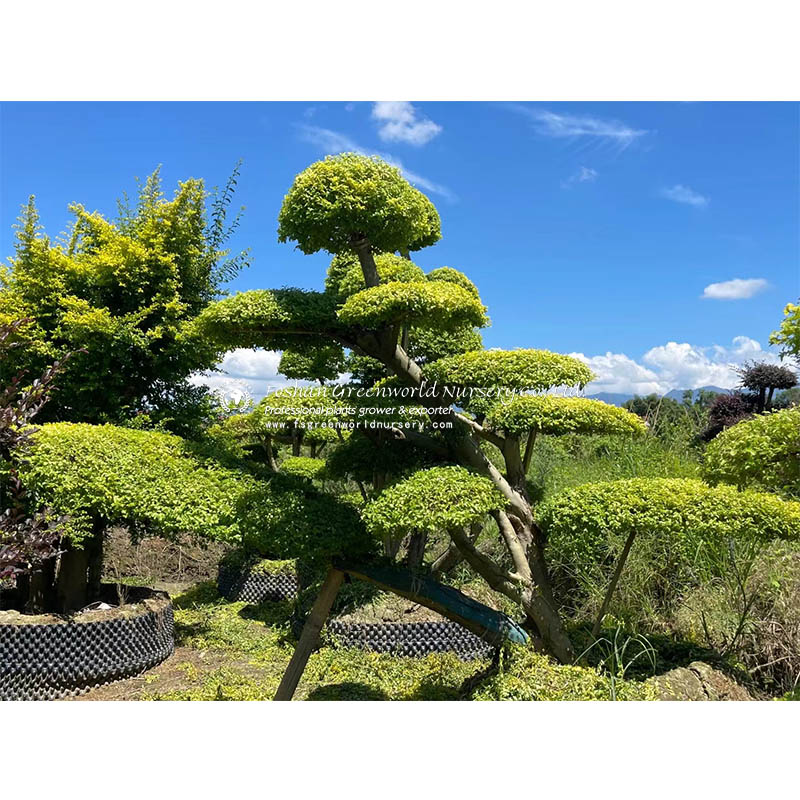
With a history dating back to the 17th century, the Platanus Acerifolia Hispanica has found its way into the hearts of many enthusiasts and conservationists who recognize its value in enhancing the natural beauty of urban settings. Its ability to withstand pollution, poor soil conditions, and harsh weather makes it a go-to choice for landscapers and urban planners looking to introduce a touch of nature into the concrete jungle.
One company, known for its commitment to preserving and enhancing urban green spaces, has recognized the significance of the Platanus Acerifolia Hispanica and has incorporated it into their portfolio of plant offerings. With a diverse range of trees, shrubs, and flowering plants, the company has established itself as a leading supplier of greenery for urban development projects, public parks, and private gardens.
In addition to the Platanus Acerifolia Hispanica, the company also offers a wide variety of plant species, including Lagerstroemia Indica, Delonix Regia, Hibiscus Tiliaceus, Pongamia Pinnata, Albizia Saman, Millingtonia Hortensis, Ficus Nitida, Peltophorum, Ginkgo Biloba, Magnolia Grandiflora, Photinia Serrulata, Cinnamomum Camphora, Prunus Yedoensis, Trachycarpus Fortunei, Tecoma Stans, Wodyetia Bifurcata, Sea Grape Plant, Ficus Religiosa, and Ficus Racemosa. Each of these plants brings its own unique beauty and benefits to the environments in which they are cultivated, contributing to the overall well-being of the communities in which they are planted.
The Lagerstroemia Indica, also known as the Crape Myrtle, is a stunning flowering tree that adds a burst of color to any landscape with its vibrant blooms and elegant form. Delonix Regia, commonly referred to as the Royal Poinciana or Flamboyant Tree, is celebrated for its flamboyant display of scarlet flowers, making it a favorite choice for tropical and subtropical regions. Hibiscus Tiliaceus, or the Sea Hibiscus, is a coastal plant known for its attractive yellow flowers and salt tolerance, making it an excellent choice for coastal landscaping and erosion control.
Meanwhile, the Pongamia Pinnata, also known as Indian Beech or Pongam Tree, is valued for its oil-rich seeds and ability to thrive in harsh conditions, offering numerous environmental and commercial benefits. The majestic Albizia Saman, also known as the Rain Tree, provides ample shade and a mesmerizing presence with its wide canopy and graceful branches. The Millingtonia Hortensis, or Indian Cork Tree, is cherished for its fragrant flowers and elegant appearance, adding a touch of enchantment to any garden or park.
The Ficus Nitida, also known as Indian Laurel Fig, is a versatile evergreen tree often used for hedging and screening due to its dense foliage and adaptability to various soil and climate conditions. Peltophorum, commonly referred to as the Copperpod or Yellow Flame, showcases stunning clusters of golden-yellow flowers, bringing a warm and inviting atmosphere to any landscape.
Meanwhile, the Ginkgo Biloba, also known as the Maidenhair Tree, is a living fossil known for its unique fan-shaped leaves and exceptional resilience, attracting admirers for its ancient lineage and therapeutic properties. The Magnolia Grandiflora, or Southern Magnolia, is cherished for its large, fragrant flowers and glossy evergreen leaves, exuding a sense of timeless elegance and natural beauty.
The Photinia Serrulata, also known as the Chinese Photinia or Chinese Stranvaesia, is valued for its vibrant red new growth and hardy nature, making it a popular choice for hedges and ornamental landscaping. The Cinnamomum Camphora, or Camphor Tree, displays aromatic foliage and a distinctive presence, offering shade and shelter in addition to its commercial and medicinal uses.
The Prunus Yedoensis, or Yoshino Cherry, is celebrated for its delicate pink blossoms and graceful form, symbolizing the ephemeral beauty of spring and captivating admirers around the world. The Trachycarpus Fortunei, also known as the Windmill Palm, is a cold-hardy palm species that adds a tropical touch to temperate landscapes, while the Tecoma Stans, or Yellow Elder, offers a profusion of bright yellow flowers and drought tolerance, making it a popular choice for water-wise landscaping.
The Wodyetia Bifurcata, also known as the Foxtail Palm, is distinguished by its feather-like fronds and striking silhouette, elevating the aesthetics of any setting with its tropical allure. The Sea Grape Plant, with its broad, rounded leaves and clusters of purple fruit, is a coastal species valued for its ability to thrive in sandy, salty environments and provide habitat for wildlife.
The Ficus Religiosa, also known as the Sacred Fig Tree, holds deep cultural and religious significance in various traditions and is revered for its spiritual and environmental contributions. Similarly, the Ficus Racemosa, also known as the Cluster Fig Tree, is cherished for its edible fruit and ecological importance, making it a vital component of diverse ecosystems.
Incorporating these diverse plant species into urban landscapes and public spaces not only enhances the visual appeal of these environments but also contributes to ecological balance, biodiversity, and the well-being of local communities. By offering a wide range of plants, including the iconic Platanus Acerifolia Hispanica, the company is playing a vital role in promoting sustainable and aesthetically pleasing green spaces that enrich the lives of residents and visitors alike.
Through the careful selection and cultivation of plant species, the company is actively participating in the creation of vibrant and resilient urban ecosystems, fostering connections between people and nature, and promoting the preservation of green spaces for future generations to enjoy. As urbanization continues to expand, the importance of incorporating greenery into urban environments becomes increasingly evident, and the commitment of companies like this to supplying a diverse array of plants is instrumental in creating thriving, livable cities.
In conclusion, the Platanus Acerifolia Hispanica, along with a wide variety of plant species offered by the company, is making a significant impact on urban landscapes and public spaces worldwide. With their resilience, beauty, and ecological benefits, these plants are transforming concrete jungles into vibrant, sustainable environments that support the well-being of both people and the planet. As the demand for green spaces in urban areas continues to grow, the importance of companies like this in providing diverse and robust plant selections for urban development cannot be overstated.