
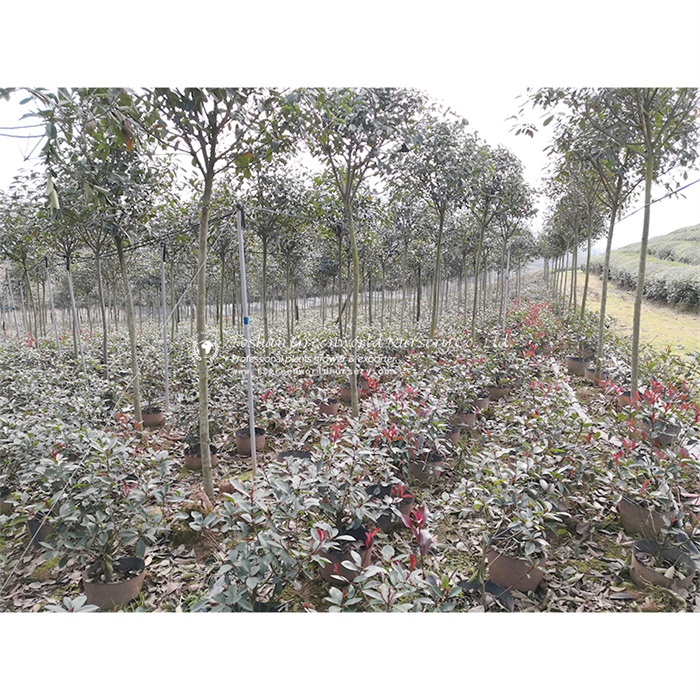
In an era where urban greening and biodiversity conservation have become pivotal for sustainable development, the integration of diverse tree species into cityscapes and botanical gardens significantly enhances environmental health and aesthetic appeal. A noteworthy species gaining attention is *Prunus yedoensis*, commonly known as Somei Yoshino cherry. This cherry blossom species is celebrated worldwide for its spectacular springtime floral display, contributing not only ecological benefits but also cultural significance. Alongside *Prunus yedoensis*, various other botanical specimens such as *Lagerstroemia indica*, *Delonix regia*, *Hibiscus tiliaceus*, and *Ficus nitida* enrich urban greenery and natural landscapes, supporting a balanced ecosystem and promoting biodiversity.
### Prunus yedoensis: The Star of Spring Blossoms
*Prunus yedoensis* holds a revered place in horticulture and landscape design, especially renowned for its captivating pale pink to white blossoms that herald the arrival of spring. Originating from Japan, this cherry tree species has become a symbol of renewal and beauty across the globe. Its expansive, spreading canopy provides ample shade, making it a favored choice in parks, botanical gardens, and urban streetscapes where aesthetic beauty and practicality are equally valued.
The seasonal flowering of *Prunus yedoensis* not only draws visitors and tourists but also plays a vital role in urban ecological cycles. The flowers attract pollinators such as bees and butterflies, contributing to the vibrancy and sustainability of urban natural networks. Additionally, the tree’s relatively swift growth and moderate maintenance needs make it ideal for city planners envisioning green spaces that balance elegance with ecological functionality.
### Complementary Botanical Specimens Enhancing Urban and Botanical Environments
The inclusion of *Prunus yedoensis* complements a diverse assortment of tree species, each selected for their unique attributes, resilience, and ecological roles. Among the array of trees enriching green spaces, several specimens stand out for their contributions to urban ecology, landscape design, and cultural resonance:
- **Lagerstroemia indica (Crape Myrtle):** Known for its vibrant summer blooms and colorful bark, this tree brings year-round interest and vitality to urban gardens.
- **Delonix regia (Royal Poinciana):** With its flamboyant red flowers and wide canopy, it not only provides shade but is a landmark species in tropical and subtropical environments.
- **Hibiscus tiliaceus (Sea Hibiscus):** This coastal species offers resilience to saline conditions, supporting coastal green belts and protecting shorelines.
- **Pongamia pinnata:** Valued for its nitrogen-fixing ability, this tree enhances soil fertility, making it invaluable in reforestation and urban landscaping projects.
- **Albizia saman (Rain Tree):** Its expansive canopy and rapid growth render it a natural shelter in open spaces, while its soil-enriching properties benefit adjacent vegetation.
Other notable species such as *Millingtonia hortensis*, *Ficus nitida*, *Peltophorum*, *Ginkgo biloba*, and *Magnolia grandiflora* further diversify urban forestry portfolios, each bringing distinctive aesthetic and functional qualities. The selection and integration of these trees demonstrate a holistic approach to urban ecology — blending beauty, biodiversity, and environment-friendly characteristics.
### Enhancing Urban Sustainability and Ecological Balance
The strategic integration of species like *Prunus yedoensis* and its botanical companions is critical in addressing urban sustainability challenges. Trees mitigate heat islands by providing shade and cooling, improve air quality through carbon sequestration, and enhance rainwater absorption to reduce runoff. Flowering species such as cherry blossoms also play an instrumental role in promoting psychological well-being, offering residents and visitors alike restorative green environments.
Several Ficus species, including *Ficus nitida*, *Ficus religiosa* (Sacred Fig Tree), and *Ficus racemosa*, contribute significantly as keystone species within urban and rural ecosystems. Their extensive root systems stabilize soil and prevent erosion, while their fruit supports local wildlife. The presence of species like *Ginkgo biloba*—a living fossil known for its resilience and medicinal properties—adds historical depth and scientific interest to urban botanical collections.
### Cultural and Economic Impacts
Incorporating *Prunus yedoensis* and related species into urban green spaces not only enhances environmental quality but also stimulates cultural engagement and economic vitality. Cherry blossom festivals attract tourism and community activities, fostering social cohesion and cultural appreciation. Ornamental trees like *Magnolia grandiflora* and *Photinia serrulata* uplift property values and enhance neighborhood aesthetics, drawing investment and encouraging community pride.
Trees like *Cinnamomum camphora* (Camphor tree) provide aromatic oils with commercial value, while species such as *Tecoma stans* and *Wodyetia bifurcata* contribute exotic flair and diversity, appealing to landscape architects and horticultural enthusiasts alike.
### Conclusion
The dynamic integration of *Prunus yedoensis* with a rich assembly of botanical specimens exemplifies a forward-thinking approach to urban greening — one that marries ecology, culture, and practical sustainability. As cities continue to grapple with climate change, biodiversity loss, and population growth, creating resilient and beautiful green spaces becomes paramount. Through thoughtful selection and planting of species like *Prunus yedoensis*, *Lagerstroemia indica*, *Delonix regia*, and others, urban planners and botanical practitioners pave the way for harmonious coexistence between human progress and the natural environment.
In celebrating the blossoming beauty of *Prunus yedoensis* alongside a constellation of botanical treasures, we embrace a vision of greener, healthier, and more vibrant communities for generations to come.