
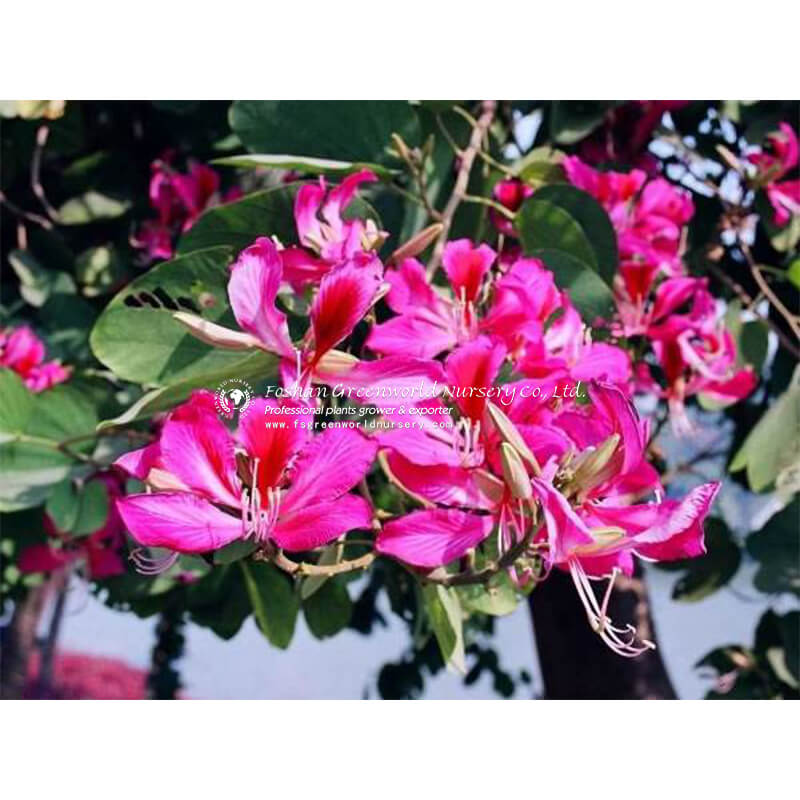
In recent years, the importance of urban greening and sustainable landscaping has gained significant momentum across cities worldwide. Amid this green transformation, certain plant species have emerged as favorites for their resilience, aesthetic appeal, and ecological benefits. Among these, the King Sago Palm, scientifically known as *Cycas revoluta*, stands out as a striking example of an ornamental plant that enriches both residential and commercial landscapes. Coupled with a diverse range of other botanical specimens such as *Lagerstroemia indica* (Crape Myrtle), *Delonix regia* (Royal Poinciana), *Hibiscus tiliaceus* varieties, and *Ficus* species, the palette of urban landscaping is becoming more vibrant and ecologically balanced.
### The King Sago Palm: A Symbol of Elegance and Durability
*Cycas revoluta*, commonly referred to as the King Sago Palm, is cherished for its unique cycads appearance that resembles a palm yet belongs to a distinct plant family. This evergreen species boasts dark green, rigid fronds arranged in a symmetrical crown, embodying both exotic elegance and timelessness. Its slow growth rate and minimal maintenance requirements make it a preferred choice for urban gardeners and landscape architects seeking long-lasting ornamental plants.
Native to southern Japan, *Cycas revoluta* has adapted well to a variety of climates, thriving in well-drained soil with moderate watering. Its tolerance to drought and resistance against most pests enhance its suitability for sustainable urban landscaping. Additionally, the King Sago Palm can be used in container gardening or as a focal point in garden beds, accentuating spaces with its architectural foliage.
### Complementing Urban Greenery with a Diverse Botanical Ensemble
Beyond the King Sago Palm, urban landscapes are increasingly benefiting from the introduction of multiple species that offer ecological, aesthetic, and climatic advantages. The broad diversity spans flowering trees, shade providers, and evergreens including:
- **Lagerstroemia Indica (Crape Myrtle):** Known for its vibrant summer blooms and attractive bark, the Crape Myrtle lends seasonal color and texture to city parks and avenues.
- **Delonix Regia (Royal Poinciana):** A flowering tree celebrated for its fiery red canopy, it provides generous shade and visually spectacular floral displays beneficial in tropical and subtropical urban areas.
- **Hibiscus Tiliaceus (varieties Rubra and others):** These hardy shrubs or small trees with large, colorful flowers thrive in coastal and urban settings, supporting pollinators and adding tropical aesthetics.
- **Pongamia Pinnata:** Valued for its nitrogen-fixing abilities and resilience, it improves soil health and is suitable for restoring degraded urban spaces.
- **Albizia Saman (Rain Tree):** Its wide canopy offers ample shade and habitat for urban wildlife, while the delicate leaves add ornamental grace.
- **Millingtonia Hortensis:** Often planted along boulevards for its fragrant white flowers, this tree enhances sensory enjoyment and urban biodiversity.
- **Ficus Species (including Ficus Nitida, Religiosa, Racemosa):** These trees serve as urban oxygenators and social gathering points, owing to their vast canopies and cultural significance.
- **Peltophorum, Ginkgo Biloba, Magnolia Grandiflora, Photinia Serrulata, and Cinnamomum Camphora:** Representing a mix of evergreen and deciduous trees, these species bring seasonal diversity, shade, and unique textures to the urban forest.
- **Prunus Yedoensis (Yoshino Cherry):** Famous for its stunning springtime blossoms, it is a favorite in parks and green corridors for seasonal visual delight.
- **Trachycarpus Fortunei and Wodyetia Bifurcata (Palm species):** These palms enhance tropical and subtropical urban landscapes with their distinctive silhouettes.
- **Tecoma Stans:** This flowering shrub is drought-tolerant and attracts pollinators, contributing to healthier urban ecosystems.
- **Sea Grape Plant:** Often utilized in coastal landscaping for erosion control and ornamental fruit clusters.
- **Bonsai Sacred Fig Tree:** A cultural and artistic symbol often integrated into urban green spaces and private collections.
### Urban Greening: Environmental and Social Impact
The integration of these diverse species into urban environments carries multiple benefits beyond aesthetics. Trees and shrubs such as those mentioned play crucial roles in:
- Mitigating urban heat island effects by providing shade and transpiration.
- Improving air quality through carbon sequestration and pollutant absorption.
- Enhancing biodiversity by serving as habitats for birds, insects, and other wildlife.
- Managing stormwater through increased infiltration and reduced runoff.
- Elevating mental health and social cohesion by creating green, tranquil spaces for community interaction.
### Future Prospects and Sustainable Landscaping
As cities continue to expand, the careful selection of plant species like *Cycas revoluta* and its botanical companions underscores the necessity for sustainable, ecologically sound landscapes. Urban planners, horticulturists, and environmentalists advocate for multi-species planting strategies to ensure that the urban forest is resilient against climate change, pest outbreaks, and other environmental challenges.
Moreover, community participation in the stewardship of these plants encourages environmental awareness and fosters a sense of ownership and pride. Educational programs highlighting the unique characteristics and benefits of species such as the King Sago Palm and the Crape Myrtle enhance public engagement with urban greening efforts.
### Conclusion
The King Sago Palm (*Cycas revoluta*) exemplifies the blend of beauty, durability, and environmental functionality that urban landscapes aspire to achieve. When combined with a rich mix of indigenous and exotic plants—from flowering trees like *Delonix regia* to hardy, shade-providing *Ficus* species—the result is a vibrant, sustainable green infrastructure that supports ecological health, enhances urban aesthetics, and improves quality of life for city residents. Embracing this diverse botanical palette is pivotal as cities strive toward greener, healthier futures.