
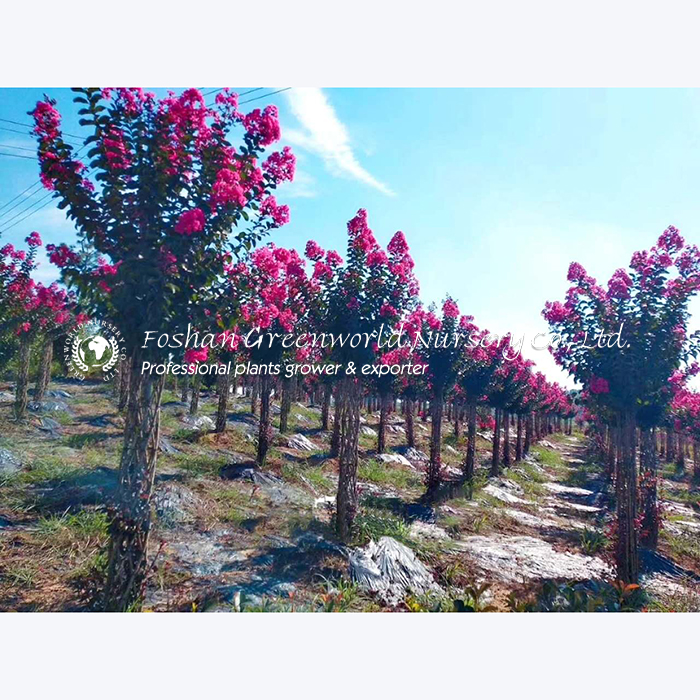
Urban environments worldwide are increasingly recognizing the pivotal role of green spaces in fostering ecological balance, improving air quality, and enhancing the quality of life for city dwellers. As metropolitan areas expand and concrete jungles replace natural landscapes, the selection and integration of diverse, resilient plant species become crucial. Among the noteworthy species contributing to urban greening initiatives is **Hibiscus tiliaceus rubra**, a striking flowering tree admired not only for its aesthetic appeal but also for its ecological benefits.
### The Significance of Hibiscus tiliaceus rubra in Urban Landscapes
Hibiscus tiliaceus rubra, often recognized by its vibrant reddish blooms and heart-shaped leaves, stands out as an adaptable and robust species well-suited for tropical and subtropical urban settings. Its moderate height and dense foliage offer shade and shelter for urban fauna, while its colorful flowers add a visual vibrancy to parks, road medians, and residential gardens.
One of the key advantages of Hibiscus tiliaceus rubra is its capacity to thrive in coastal and saline-prone environments, making it an ideal candidate for cities located near coastlines. Its root system aids in soil stabilization, thereby preventing erosion in vulnerable areas. Furthermore, the tree supports urban biodiversity by providing habitat for birds, insects, and pollinators, which are essential for ecosystem functioning.
### Diverse Flora Amplifying Urban Greenery
Complementing the impactful presence of Hibiscus tiliaceus rubra is an extensive range of other plant species commonly incorporated into urban and suburban greening projects. These selections reflect both native and non-native species chosen for their resilience, beauty, and environmental benefits.
- **Lagerstroemia indica**: Popularly known as crape myrtle, this deciduous tree is favored for its long-lasting summer blooms and ornamental bark, offering multi-seasonal interest. Its tolerance to heat and drought makes it a valuable addition to urban plantings.
- **Delonix regia**: Also called the flame tree, it possesses a dramatic canopy covered in fiery red flowers. It thrives in warm climates and is frequently utilized to offer shade and curb appeal.
- **Pongamia pinnata**: This leguminous tree is notable for its nitrogen-fixing ability, which enriches soil fertility and supports sustainable landscaping. It also produces flowers and seed pods that sustain local wildlife.
- **Albizia saman**: Known as the rain tree, it has a wide-spreading crown, which enhances shade coverage, reduces urban heat island effects, and creates comfortable outdoor spaces.
- **Millingtonia hortensis**: Native to South Asia, this fast-growing tree boasts trumpet-shaped white flowers and a pleasant fragrance that enhance sensory experiences in parks and gardens.
- **Ficus nitida** and **Ficus religiosa** (Sacred Fig Tree): These robust figs are integral to urban ecosystems, functioning as keystone species by providing abundant fruits and shelter. They also have cultural and historical significance in many communities.
- **Peltophorum**: Often used as a street tree, its golden blooms brighten cityscapes, while its moderate size suits urban constraints.
- **Ginkgo biloba**: A living fossil, Ginkgo biloba is highly resistant to pollution, pests, and diseases, making it an excellent choice for harsh urban conditions.
- **Magnolia grandiflora**: Celebrated for its large, fragrant white flowers and glossy leaves, it lends a classic elegance to urban green spaces.
- **Photinia serrulata**: This shrub or small tree is appreciated for its vibrant red young leaves and ability to serve as a hedge, providing privacy and wind protection.
- **Cinnamomum camphora**: Known as the camphor tree, its dense canopy and aromatic leaves make it valuable for shaded urban parks and medicinal purposes.
- **Prunus yedoensis**: The iconic Yoshino cherry tree is synonymous with springtime urban festivals, enchanting residents with pink and white blossoms.
- **Trachycarpus fortunei**: A hardy palm that brings tropical flair even to temperate cities, admired for its fan-shaped leaves and ability to withstand cooler climates.
- **Tecoma stans**: This flowering shrub is intuitive in attracting pollinators, with bright yellow trumpet flowers that enliven streetscapes.
- **Wodyetia bifurcata**: Also known as the foxtail palm, it is valued for its aesthetic form and adaptability to urban horticulture.
- **Sea Grape Plant**: This coastal shrub or small tree shields shorelines from wind and salt spray, supporting the preservation of natural barrier zones.
- **Ficus racemosa**: Complementing the other Ficus species, it is appreciated for its clustered figs that feed various bird species.
### Leveraging Biodiversity for Sustainable Cities
The collective inclusion of these species, alongside Hibiscus tiliaceus rubra, helps urban planners and gardening companies build ecologically resilient and visually captivating green spaces. Serial planting initiatives that prioritize species diversity bolster urban ecosystems, improve carbon sequestration, and enhance microclimates by reducing heat accumulation.
Furthermore, by integrating flowering trees like Hibiscus tiliaceus rubra and Delonix regia with functional species such as Pongamia pinnata and Albizia saman, urban landscapes not only gain aesthetic appeal but also ecosystem services such as nitrogen fixation, air purification, and wildlife habitat support.
### The Role of Companies in Driving Urban Greening
Companies specializing in horticulture and urban landscaping play a critical role in this greening movement. By leveraging their botanical expertise and supply chain capabilities, they can ensure the propagation and distribution of a wide variety of plant species tailored for different urban conditions. Their efforts contribute to city beautification projects, ecological restoration, and sustainable development goals.
Educational outreach programs and collaboration with local governments and communities further amplify the impact, promoting awareness of native plant benefits and encouraging participation in tree planting drives.
### Conclusion
The growing appreciation for species like Hibiscus tiliaceus rubra within the broader context of urban forestry reflects a more profound understanding of the integral connection between urban living and nature. The diverse assemblage of trees—from the aromatic camphor to the sunlit crape myrtle—provides indispensable ecological services while enhancing the livability and resilience of cities.
Ultimately, nurturing these green assets cultivates healthier urban environments where people and nature coexist harmoniously, driving forward a sustainable future for generations to come.