
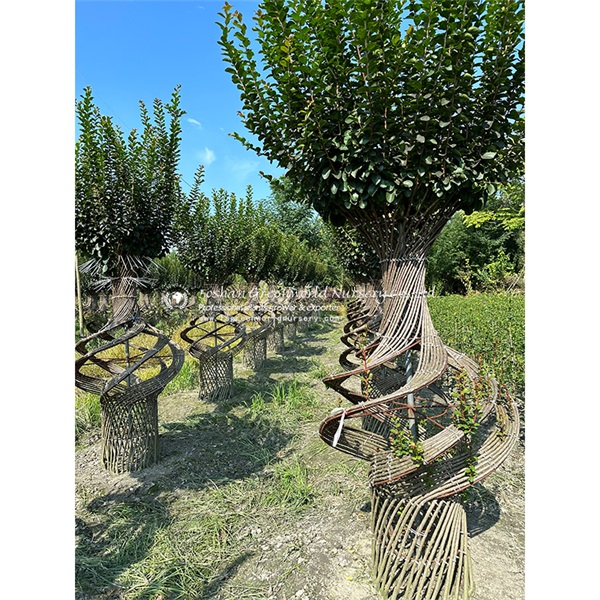
In recent botanical and environmental discussions, the prominence of **Mangifera Indica L.**—commonly known as the mango tree—has been highlighted alongside a diverse array of other significant plant species. This focus underscores not only the ecological and economic importance of Mangifera Indica L. but also the invaluable contributions of various other tree species such as Lagerstroemia Indica, Delonix Regia, Hibiscus Tiliaceus, and many more. As the world increasingly values biodiversity and green ecosystems, understanding these plants’ roles provides insight into both nature’s complexity and humanity’s reliance on it.
### Mangifera Indica L.: A Foundation of Botanical and Economic Value
Mangifera Indica L. stands as one of the most crucial tropical fruit trees globally, known for producing mangoes beloved by millions. Native to South Asia, particularly India and Myanmar, the mango tree thrives in warm climates and is extensively cultivated across the tropics and subtropics. Beyond its delectable fruit, Mangifera Indica L. plays a pivotal role in local economies, agriculture, and traditional medicine.
Ecologically, the mango tree supports biodiversity by providing habitat and sustenance for various pollinators and wildlife. Moreover, its robust foliage offers shade and contributes to soil health through leaf litter. The wood is also used in furniture-making and crafts, highlighting its versatility.
### Diversity in Flora: An Ecological and Aesthetic Ensemble
Complementing Mangifera Indica L. is a broad assembly of plant species, such as **Lagerstroemia Indica**, commonly known as the crepe myrtle. This ornamental tree is celebrated for its vibrant summer blooms and bark texture, often used to beautify urban landscapes and gardens. Its adaptability to different soils and resistance to drought make it a practical choice for landscape architects.
**Delonix Regia**, or the flamboyant tree, offers spectacular fiery red-orange flowers and is highly regarded for its shade and ornamental qualities in tropical zones. Meanwhile, **Hibiscus Tiliaceus**, including the Rubra varieties, is essential for coastal protection and is known for its broad, heart-shaped leaves and resilience against salt spray. This species supports coastal ecosystems and is often used in traditional weaving and medicine.
Other notable species include **Pongamia Pinnata**, valued for its nitrogen-fixing ability and biofuel potential, and **Albizia Saman**, commonly known as the rain tree, which offers expansive shade and serves as an effective carbon sink.
### The Botanical Ensemble: Adding Ecological Value and Beauty
- **Millingtonia Hortensis**, known as the Indian cork tree, stands out for its fragrant white flowers and is often planted along roads for shade.
- **Ficus Nitida** (also known as the Indian banyan) and **Ficus Religiosa** (the sacred fig tree) possess cultural, religious and ecological importance by providing shade and supporting various species that depend on fig fruits.
- **Peltophorum** species are fast-growing and valuable in afforestation and agroforestry systems.
- **Ginkgo Biloba**, a unique species with ancient lineage, carries medicinal and ornamental value, renowned for its fan-shaped leaves and resilience.
- The southern magnolia (**Magnolia Grandiflora**) is cherished for its glossy leaves and large fragrant flowers.
- Ornamental shrubs like **Photinia Serrulata** add color and structure to gardens with their red-tipped leaves and white blooms.
- **Cinnamomum Camphora** (camphor tree), valued for its aromatic wood and oils, has long been used in traditional medicine and industry.
- **Prunus Yedoensis**, the famed cherry blossom tree, provides not only aesthetic delight but also cultural symbolism from East Asia to the world.
- **Trachycarpus Fortunei** (the windmill palm) brings tropical appeal to temperate gardens.
- **Tecoma Stans**, known for its vibrant yellow trumpet flowers, contributes to pollinator support and landscape color.
- **Wodyetia Bifurcata** (Foxtail palm) is prized for ornamental landscaping due to its elegant fronds.
- **Sea Grape Plant** provides coastal erosion control and edible fruit.
- Other species such as **Ficus Racemosa** and the bonsai representation of the sacred fig emphasize cultural significance and horticultural artistry.
### Environmental and Cultural Impact
This diverse repertoire of flora enriches urban, agricultural, and natural landscapes worldwide. Each species serves multiple functions—ranging from food production and habitat provision to medicinal use and aesthetic enhancement. Together, these plants foster ecosystem resilience, aid in carbon sequestration, and improve air quality, all crucial in the face of global environmental challenges.
Moreover, many of these trees have deep cultural and spiritual significance, symbolizing longevity, prosperity, and ecological harmony across civilizations. For instance, the sacred fig tree is venerated in various religions, symbolizing enlightenment and life.
### Conclusion: A Natural Heritage Worth Preserving
Understanding the importance of **Mangifera Indica L.** alongside this rich botanical assembly encourages conservation and sustainable utilization. As urbanization and climate change pose threats to biodiversity, these species represent natural heritage that demands our care and respect.
Efforts in afforestation, urban greening, and agroforestry that emphasize such species can restore ecological balance and enhance human well-being. Their combined ecological roles and cultural values make these plants pillars of both environmental health and society.
As we move towards a greener future, mixing economic benefits, cultural heritage, and ecological function, the legacy of Mangifera Indica L. and its botanical companions serves as a reminder of the intricate relationships linking nature and humanity. It is imperative for policymakers, scientists, and communities to collaborate in safeguarding these treasures, ensuring that they continue to thrive and nurture future generations.