
---
**Exploring the Wonders of Cassia Glauca and Other Remarkable Plant Species**
In the ever-evolving landscape of botanical diversity, certain plant species stand out not only for their aesthetic appeal but also for their ecological and cultural significance. Among these, *Cassia Glauca* has recently drawn attention from horticulturists, environmentalists, and garden enthusiasts alike. Alongside a fascinating array of species such as *Lagerstroemia Indica*, *Delonix Regia*, *Hibiscus Tiliaceus* variants, and the majestic *Ginkgo Biloba*, *Cassia Glauca* presents a compelling narrative of resilience and beauty in green spaces around the world.
### The Remarkable *Cassia Glauca*
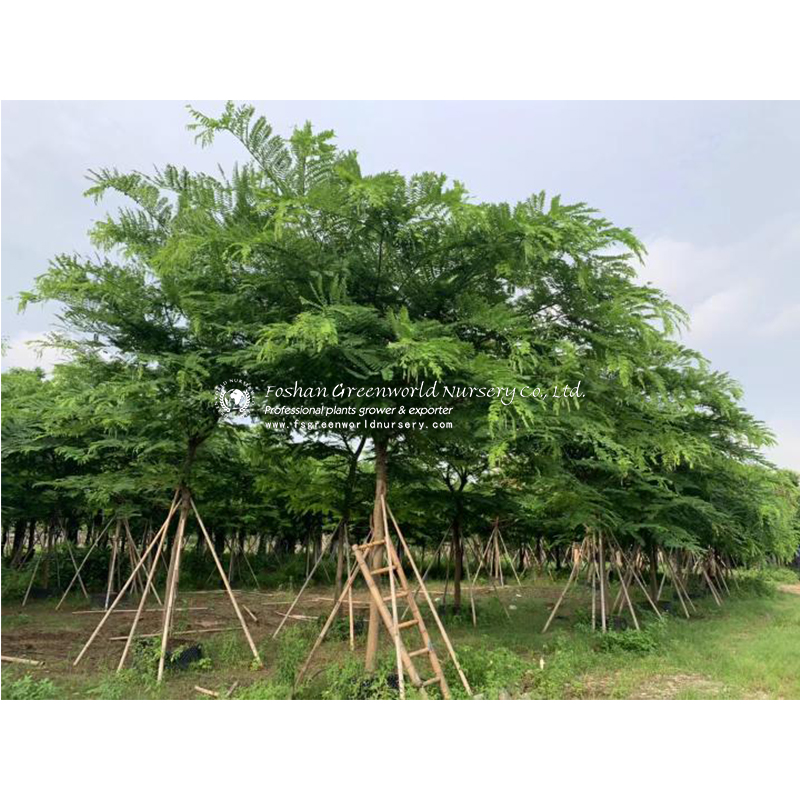
*Cassia Glauca* is a subtropical tree species known for its distinctive foliage and vibrant blossoms. Its ability to thrive in diverse climatic conditions makes it a favored choice in urban greening projects and ornamental gardening. Characterized by compound leaves with silvery-green hues, this species offers a soft textural contrast to the traditional greens seen in many landscapes. The plant blooms with bright, yellow inflorescences that not only add splashes of color but also attract pollinators, thus enhancing biodiversity.
Ecologically, *Cassia Glauca* plays a vital role. It aids in soil enrichment by fixing nitrogen — a critical nutrient for plant growth — and supports various bird species that feed on its pods and seeds. This symbiotic relationship ensures a balanced ecosystem, a feature that urban planners and landscapers increasingly appreciate when selecting tree species for sustainable environments.
### The Diversity Within the Company’s Botanical Collection
Beyond *Cassia Glauca*, a plethora of other plant species showcases the rich botanical heritage embraced by the company dedicated to the cultivation and distribution of these trees. This company has garnered a reputation for preserving and promoting an impressive variety of plants, each with unique qualities suited for specific ecological niches and landscaping purposes.
For instance, *Lagerstroemia Indica*, commonly known as the crape myrtle, is celebrated for its ornamental flowers that bloom in shades ranging from white and pink to deep crimson. Its long flowering period and resistance to drought make it popular in temperate and tropical regions.
The flamboyant *Delonix Regia*, with its fiery red flowers and expansive canopy, is often considered a tropical icon. This species offers both shade and visual drama to parks and roadsides, contributing to local cooling and enhancing urban aesthetics.
Tropical coastal species like *Hibiscus Tiliaceus* and *Hibiscus Tiliaceus Rubra* are equally noteworthy. These hibiscus variants have adapted to saline conditions and are instrumental in preventing coastal erosion, making them valuable in shoreline conservation efforts.
### The Role of Nitrogen-Fixing and Shade-Giving Species
Among nitrogen-fixing species, *Pongamia Pinnata* stands out. Known for its versatility, this tree not only enriches the soil but also has industrial applications such as biofuel production. Similarly, *Albizia Saman* (rain tree) is known for its expansive umbrella-like canopy that offers shade and cooling effects, making it an ideal street and park tree in tropical cities.
Species like *Millingtonia Hortensis* (Indian cork tree) and *Ficus Nitida* provide both ecological and aesthetic functions. The Indian cork tree emits a pleasant fragrance during its blooming phase, while *Ficus Nitida* is renowned for its massive root systems and longevity, often becoming focal points in community spaces.
### Majestic Trees from Diverse Regions
The collection also includes world-renowned trees like *Ginkgo Biloba*, a living fossil and symbol of longevity and resilience. Its fan-shaped leaves turn bright yellow in autumn, creating iconic seasonal vistas. *Magnolia Grandiflora*, with its large, fragrant white blooms, is celebrated in Southern United States landscapes and subtropical gardens worldwide.
Additionally, ornamental and street trees such as *Photinia Serrulata* with its bright red leaves, and *Cinnamomum Camphora* (camphor tree) known for its aroma and evergreen foliage, enrich urban greenery.
### Culturally Significant and Unique Species
Species such as *Prunus Yedoensis* (Yoshino Cherry) are central to cultural celebrations like cherry blossom festivals, drawing millions of visitors to parks during bloom season. The *Trachycarpus Fortunei* (windmill palm) adds a tropical flair and is highly resilient to colder climates, extending its cultivation beyond traditional tropical zones.
Plants such as *Tecoma Stans* with bright yellow trumpet-shaped flowers and *Wodyetia Bifurcata* (foxtail palm) contribute to the tropical and subtropical garden palette. Coastal and tropical species like *Sea Grape Plant* (*Coccoloba uvifera*) and sacred figs (*Ficus Religiosa* and *Ficus Racemosa*) also hold ecological and religious significance, representing centuries of cultural heritage and biodiversity.
### Towards Sustainable Urban Greening
The diversity of these species reflects a comprehensive approach to sustainable urban greening and ecological restoration. Selecting species like *Cassia Glauca* and its botanical companions helps create multi-functional green spaces that offer shade, improve air quality, enhance biodiversity, and provide aesthetic enjoyment.
As cities face increasing environmental challenges, including urban heat islands, pollution, and biodiversity loss, integrating such resilient and beneficial tree species into urban landscapes is an urgent priority. The company’s focus on propagating and distributing these trees supports global efforts toward sustainable urban development and environmental conservation.
### Conclusion
The spotlight on *Cassia Glauca* alongside a wide array of remarkable plant species signals a renewed appreciation for botanical diversity that blends aesthetic, ecological, and cultural values. Such species are not merely decorative elements; they form the backbone of resilient ecosystems and vibrant communities.
As more urban centers and individuals recognize the importance of these trees, the company’s dedication to preserving and sharing these natural treasures becomes ever more crucial. Through continued research, cultivation, and education, the future for these plants—and by extension, our planet—looks green, flourishing, and full of life.
---
If you would like me to customize or elaborate further on any particular aspect, feel free to let me know!